Your Top 20 Questions About Easy Gluten-Free Baking Answered
Intro To Easy Gluten-Free Baking Questions
Here’s the thing—when Emma was first diagnosed with celiac, I cried over a box of muffin mix (don’t worry, it wasn’t even good). The learning curve for easy gluten-free baking felt like climbing a mountain in cowboy boots. I’ve burned, sunk, and flat-out flopped more cakes than I care to count. But over the years, I’ve tested (and tested—12 times in some cases!) every trick and flour blend I could find until we landed on desserts that don’t just pass, they shine. This post is for y’all who are tired of the mystery, ready to bake with confidence, and maybe wondering if there’s hope for soft cookies without gluten. (There is.)
Understanding the Basics of Easy Gluten-Free Baking
What’s the best gluten-free flour for beginners?
Honestly? There’s no perfect answer, but a good all-purpose gluten-free blend is where I recommend starting. Look for one that includes xanthan gum (it helps hold things together like gluten would). I’ve had the most luck with King Arthur Measure-for-Measure and Better Batter. Bob’s Red Mill can work too, but it sometimes turns out grainier if you’re not careful with your ratios.
If you’re just starting, skip almond or coconut flour recipes for now—they need extra structure and can make things dense or oily if you don’t have the hang of it yet.
If you’d rather not play mad scientist right away, start with recipes that were built for gluten-free from the beginning. In my easy gluten free desserts collection, every cake, crisp, and cookie is already tested with 1:1 blends, so you can focus on learning the feel of the batter instead of fighting with the flour.
Why do my gluten-free baked goods fall apart?
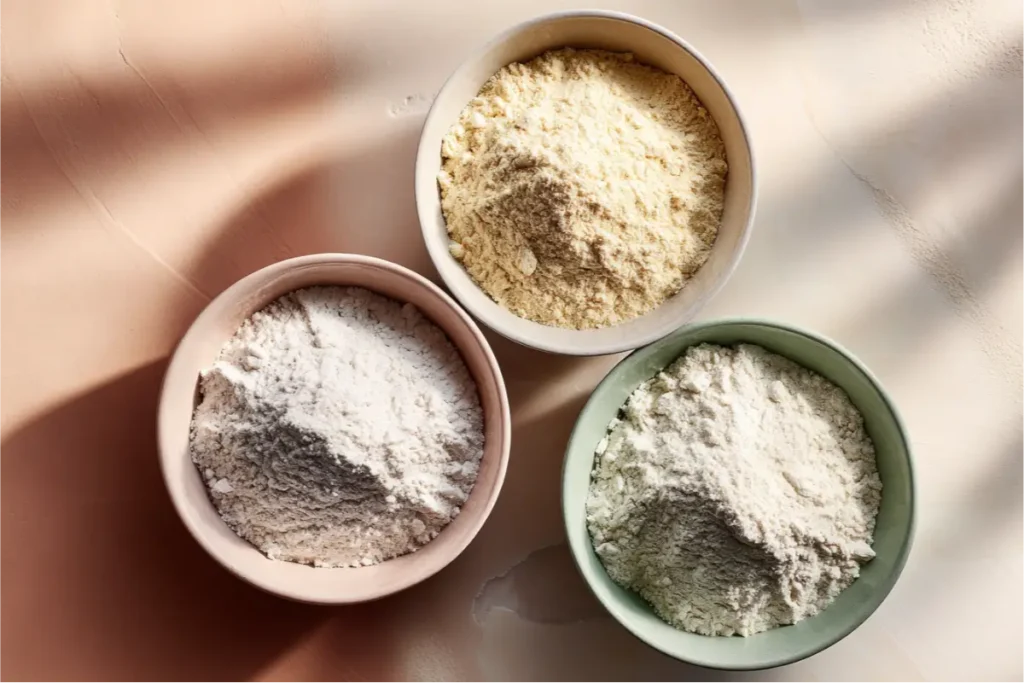
Oh girl, this one drove me crazy at first. Gluten is like glue—it gives structure. Without it, baked goods can be crumbly and dry. To fix this, you need:
- Binders like xanthan gum, psyllium husk, or ground chia/flax (I rotate depending on the recipe)
- Moisture: think eggs, yogurt, even applesauce. Dry equals disaster.
Also, let your batter rest 15–30 minutes before baking. Gluten-free flours hydrate slower, and this gives time for the starches to bind together. (Trust me—resting changed my pancake game completely.)
Do I need xanthan gum in every recipe?
Short answer: no. But let me explain.
You do need a binder—but it doesn’t always have to be xanthan. For cookies, I often skip it and use an extra egg yolk or flax egg instead. In cakes and breads, though, I usually use ½ teaspoon per cup of flour unless my blend already includes it.
Some people don’t tolerate xanthan well (Emma didn’t at first), so if you’re sensitive, try psyllium husk powder—½ to 1 teaspoon does the job, especially in breads and rolls.
Can I substitute almond flour 1:1 with all-purpose gluten-free flour?
Wishful thinking, y’all—but nope. Almond flour is high-fat, low-starch, and doesn’t absorb liquid the same way. If you swap it 1:1, you’ll end up with greasy or sunken bakes (been there… four times). You usually need more eggs, more structure, and sometimes even a different baking temp.
What you can do is mix a little almond flour into muffins or cookies for flavor and softness—about ¼ of the total flour works great.
If you want to see almond flour behaving at its best without guesswork, my complete guide to gluten and dairy free dessert recipes walks through the exact almond-flour cheesecakes, brownies, and snack cakes that survived my testing marathon and actually work.
Why do gluten-free cakes sink in the middle?
Ah, the dreaded crater. I used to call mine “volcano cakes.”
Here’s what causes that:
- Overmixing (easy to do when you’re trying to smooth out gritty flour)
- Too much leavening (GF flours can’t trap bubbles well, so the rise collapses)
- Opening the oven too early (guilty—Emma wanted to peek)
To avoid it:
- Use room temp ingredients
- Mix just until combined
- Let the batter rest
- Don’t open that oven door for at least 20 minutes
Troubleshooting & Texture Fixes in Easy Gluten-Free Baking
What are the best store-bought gluten-free baking mixes?
I’ve tested more than I care to admit (15, if you’re curious). Some are gritty, some are just sad, and a few are real lifesavers.
Here are the ones I keep stocked:
- King Arthur Gluten-Free Muffin Mix: dependable, not too sweet, easy to customize with berries or nuts
- Cup4Cup Pancake & Waffle Mix: a bit pricey, but makes the fluffiest waffles (Emma says they taste like diner waffles)
- Simple Mills Almond Flour Mixes: especially the banana bread one—just add eggs and oil
How do I avoid gritty textures in gluten-free baked goods?
Gritty cake is just wrong. I still remember the first time I brought Emma cupcakes to school—one bite and she said, “Mom, they taste like sand.” (Ouch.)
Here’s how I fixed it:
- Let the batter rest before baking (20–30 minutes minimum)
- Use superfine rice flour blends (like Authentic Foods or King Arthur)
- Hydrate flours by using milk or yogurt instead of water
- Don’t underbake—grittiness is often raw flour that didn’t cook through
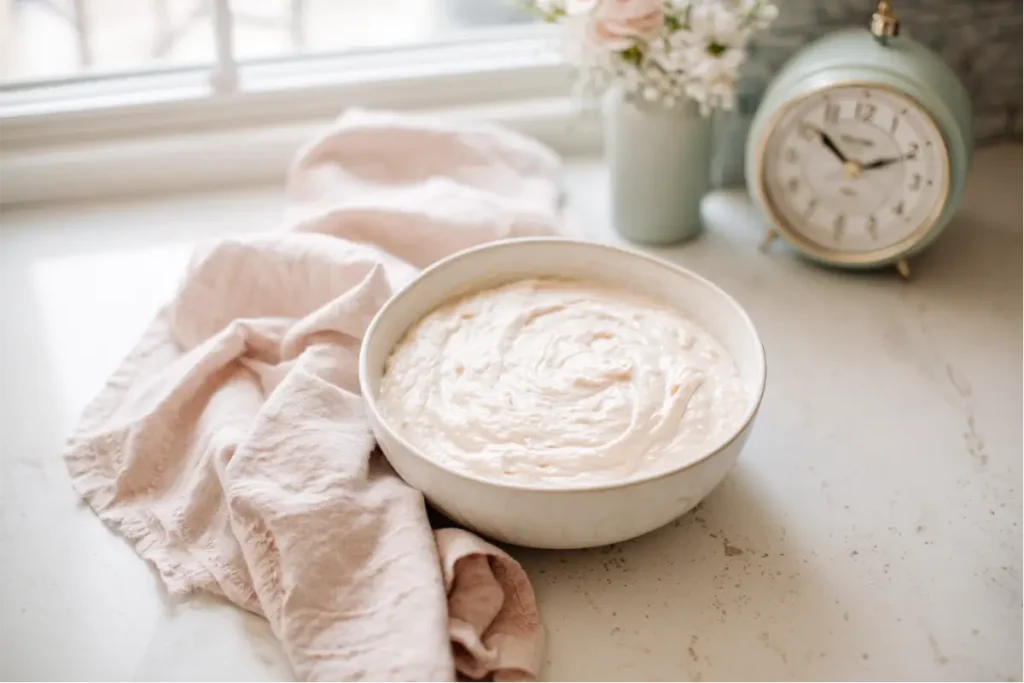
If you want some “no-sand-allowed” wins to start with, my easy gluten free desserts roundup is full of muffins, crisps, and bars that already passed Emma’s “no gritty crumbs” test, so you can taste what the right texture should feel like.
Is gluten-free baking more expensive?
Honestly? Yes, it can be. But it doesn’t have to break the bank.
Gluten-free flours, especially specialty ones like almond or sorghum, do cost more. But I stretch our budget with a few tricks:
- Buy in bulk (I use Azure Standard or local co-ops)
- Use common pantry swaps: like mashed bananas instead of extra eggs or milk powder instead of buttermilk
Also, when you nail a recipe that works every time, you’re not wasting money on flops. That alone makes the effort worth it, y’all.
Can I freeze gluten-free baked goods?
Absolutely. And in this house, we have to—because when I find time to bake, I double it.
I use the same strategy around the holidays: double a batch, freeze half, and thank Past Rachel later. If you’re planning ahead for the big day, my gluten free Thanksgiving desserts for a crowd includes make-ahead pies, crisps, and bars that freeze and reheat like a dream.
Here’s what freezes well:
- Muffins, pancakes, waffles (wrap in parchment, then freeze in a bag)
- Cookies (freeze dough balls or baked ones)
- Quick breads and cupcakes (freeze naked, frost later)
Avoid freezing things with high moisture (like custard pies), but most baked goods reheat beautifully if you let them thaw at room temp and warm in the oven.
How do I make gluten-free cookies chewy, not crumbly?
This was my Everest, y’all. For months, I made cookies that looked great… until you picked them up. Crumble city.
Here’s what fixed it:
- Add an extra egg yolk for richness and binding
- Use brown sugar (more moisture = chewiness)
- Chill the dough at least 1 hour—helps with spread and texture
- Don’t overbake—take ‘em out when the edges are set but the middle looks soft
Techniques & Smart Swaps for Easy Gluten-Free Baking
How do I convert a regular recipe to gluten-free?
Here’s the honest truth: you can, but it’s not always as simple as swapping the flour. I’ve ruined plenty of “famous” family recipes trying to wing it (Emma still teases me about the biscuit hockey pucks from 2021).
Here’s what works best:
- Start with recipes that don’t rely heavily on gluten development—like muffins, brownies, and quick breads.
- Use a 1:1 gluten-free flour blend with xanthan gum built in. If your blend doesn’t have it, add ½ tsp per cup of flour.
- Add moisture: try an extra egg, a splash of milk, or a dollop of yogurt if things look dry.
- Don’t forget the resting step—15 to 30 minutes gives GF flours time to hydrate and bind.
If you’d rather start with recipes that already speak “gluten free” fluently before you rewrite Grandma’s cards, my gluten and dairy free dessert recipes guide is packed with base recipes you can tweak and dress up without worrying they’ll collapse in the middle.
What’s the best binder if I can’t use eggs?
This one’s close to home. Emma went through an egg-free phase when we were still figuring out allergies, so I’ve tested every egg substitute known to man (and Texas pantry).
What tools make gluten-free baking easier?
You don’t need fancy gear, but a few tools changed the game for me:
- Kitchen scale: GF flour blends vary a lot by weight. Measuring in grams gives better results every time. I use this one I got for under $20.
- Sifter or fine mesh sieve: breaks up gritty flours, especially almond and coconut
- Silicone muffin pans: nothing sticks, and they help keep baked goods from drying out on the bottom
- High-powered blender or food processor: for making oat flour or blending batters smooth
Can I make vegan and gluten-free desserts that actually taste good?
Oh yes, ma’am. But it takes a little TLC.
The combo of no gluten and no eggs/dairy means you’ve got to really focus on moisture, flavor, and structure. But I’ve cracked it with:
- Coconut cream or full-fat oat milk for richness
- Aquafaba (chickpea water) for fluffiness in cakes and meringues (it works like whipped egg whites!)
- Maple syrup or mashed fruit for natural sweetness
If you’re new to the combo, start with small-batch recipes. That way if it flops (and it might at first), you’re not wasting a ton.
When you’re ready to play with that combo in a low-stress way, my gluten dairy egg free desserts roundup has small-batch brownies, puddings, and bars that are already vegan and gluten free — perfect training wheels before you start rewriting every recipe card in the house.
What’s the secret to flaky gluten-free pie crust?
Y’all. I nearly gave up on pie. My first few attempts were dry, crumbly messes that Emma lovingly called “pie gravel.”
Then I learned two things:
- Keep everything cold (yes, even the flour!)
- Add a splash of vinegar or lemon juice—it relaxes the dough and helps it hold together
Also? Use butter and shortening combo. Butter gives flavor, shortening keeps it flaky. And never skip chilling the dough before rolling—it makes all the difference.
Real-Life Gluten-Free Baking Questions Moms Actually Ask
How do I avoid hidden gluten in baking ingredients?
Honestly? It sneaks in everywhere. When Emma was first diagnosed, I thought I had it figured out… until I found out my vanilla extract had a trace of gluten from the processing line.
Here’s what I always double-check:
- Baking powder & baking soda: most are GF, but some store brands aren’t certified
- Chocolate chips: some contain barley or are cross-contaminated
- Sprinkles & decorations: food dyes and coatings can be questionable
- Flavor extracts: check for “natural flavors” — they can be grain-based
How should I store gluten-free flours?
GF flours are picky, y’all. Unlike regular all-purpose flour, many go rancid faster—especially nut-based or whole-grain ones.
Here’s how I do it:
- White rice flour, tapioca, potato starch: pantry is fine (sealed, cool place)
- Brown rice flour, almond, coconut, oat flour: fridge or freezer in airtight containers
- Homemade blends: I make a big batch and store it in a large glass jar in the fridge with a label and date (because I will forget)
Can I bake gluten-free desserts for non-GF friends?
Yes, and they’ll never know. (Which, let’s be honest, is kind of the goal.)
My best advice:
- Stick to recipes that are naturally moist—brownies, snack cakes, chewy cookies
- Use your best-tested recipes (not the first time to try something new)
- Avoid labeling it “gluten-free” up front. Let the taste do the talking.
- Always disclose if they ask—especially for those with severe allergies
How long do gluten-free flours last?
Most store-bought gluten-free flours have a shelf life of 3–6 months in the pantry — maybe longer in the fridge or freezer. But here’s the kicker: once opened, the clock starts ticking.
Here’s what I look for:
- Sour or bitter smell = toss it
- Clumps or moisture = nope
- Weird aftertaste in baked goods = it’s gone bad
If you’re buying in bulk, split it up and freeze what you won’t use in a month. My freezer currently has brown rice flour, sorghum, and almond—labeled and ready to go.
How can I help my kid enjoy gluten-free baking?
Whew, big one. The emotional side of gluten-free life is real—especially for kids. Emma struggled hard in the early days, especially around birthdays and bake sales.
Here’s what helped:
- Let her choose the recipe (ownership makes it fun)
- Do taste tests together (she loves ranking muffin batches)
- Bake ahead for parties and freeze—so she never feels left out
- Celebrate wins (we high-fived over our first cake that didn’t cave in)
Honestly? Baking became our thing. It gave her confidence, and gave me peace of mind knowing she had safe treats that felt special.
If you need some kid-approved “win” recipes to start with, my gluten free nut free desserts for beginners is full of simple cookies, bars, and treats Emma has proudly taken to school parties without feeling different for even a second.
FAQ
Q1: Can I bake gluten-free without a mixer or fancy tools?
Yes! Most of my recipes just need a bowl and a whisk. A mixer is helpful, but not required for cookies, muffins, or pancakes.
Q2: Why does my gluten-free dough feel stickier?
That’s normal. GF doughs don’t act like wheat dough. Use wet hands or a silicone spatula to shape it — not extra flour.
Q3: Are oats safe for gluten-free baking?
Only if labeled certified gluten-free. Regular oats are often cross-contaminated during processing.
Q4: What if I mess up?
Welcome to the club! Every flop teaches you something. And honestly? We still eat the ugly muffins around here.
Conclusion
Here’s the thing—gluten-free baking isn’t just about swapping flour. It’s about learning new rhythms in the kitchen, letting go of perfection, and finding joy in the small wins. Whether it’s finally getting a batch of muffins that don’t crumble, or seeing your kid bite into a cookie with that “this-is-actually-good” look (Emma still makes that face when I nail her chocolate chip cookies), those moments matter.
I wrote this post because I’ve been there. I’ve cried over fallen cakes, tossed gritty loaves in the trash, and spent too much money on flours that didn’t deliver. But with time, testing, and a whole lot of heart, gluten-free baking became second nature—and something Emma and I genuinely love doing together.
If you’re still figuring it all out, take it one recipe at a time. And for more practical tips and techniques, this gluten-free baking guide from Celiac.com walks you through the baking basics — including a helpful video if you’re a visual learner like me.
So if you’re still feeling unsure, hear this: you can do this. Start simple, rest your batters, ask questions, and keep going. Because baking gluten-free isn’t about making it perfect—it’s about making it yours.
And y’all? I’ll be right here cheering you on every step of the way.